

Top Shocking Truths About
Deepfake & Fake News
The internet was once a place where seeing meant believing A photo proved a moment happened A video meant someone was truly there Today, that foundation of trust is shaking Deepfake technology and fake news have changed the rules completely What you see, hear, and even trust is no longer guaranteed to be real.
Deepfakes can make anyone say anything Fake news can manipulate millions within minutes Together, they form one of the most dangerous digital threats of our era not just to individuals, but to governments, businesses, and entire societies.
“Deepfake is not just a technology problem It’s a trust crisis.”
In this guide, you will understand how deepfake and fake news evolved, how they work, why they are so dangerous, and most importantly how individuals, companies, and security professionals can protect themselves.
This analysis is based on real cybersecurity investigations and awareness programs conducted by
Codeila, where digital deception is no longer theory it’s daily reality.
What Is Deepfake Technology?
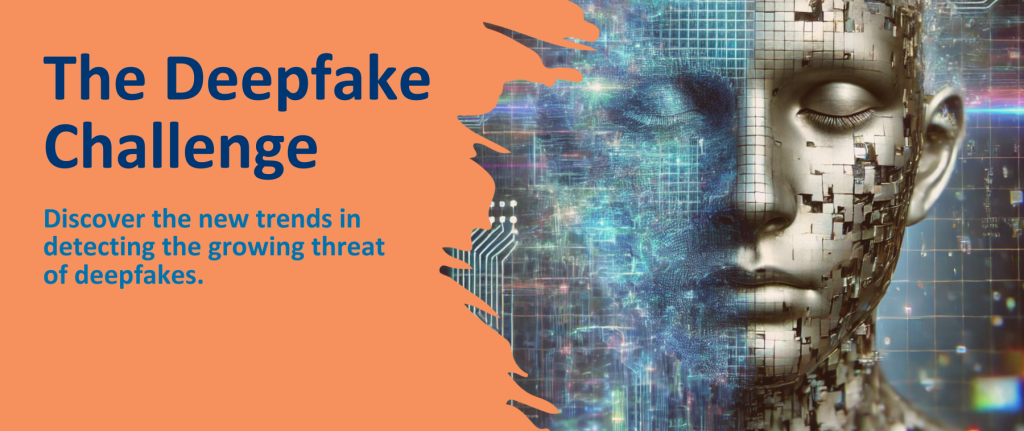
Deepfake refers to synthetic media created using artificial intelligence, where a person’s face, voice, or actions are digitally replaced with another’s in a realistic way The word itself comes from “deep learning” and “fake.”
Unlike traditional video editing, deepfakes use neural networks trained on huge datasets of images, videos, and voice samples These AI models learn how a face moves, how expressions change, how lips sync with speech, and even how emotions look.
The result? A video so realistic that even professionals sometimes fail to detect it.
| Traditional Editing | Deepfake Technology |
|---|---|
| Manual work | AI-driven automation |
| Limited realism | Hyper-realistic output |
| Requires expert editors | Accessible to almost anyone today |
What Is Fake News?
Fake news is intentionally false or misleading information presented as legitimate news It is designed to manipulate emotions, shape opinions, generate clicks, influence political decisions, or cause panic and confusion.
Unlike simple rumors, fake news is carefully crafted to look authentic It often:
- Uses real logos of trusted media outlets
- Mimics professional journalistic language
- Targets emotional topics like fear, anger, or hope
- Spreads rapidly through social media algorithms
“Fake news spreads faster than truth because lies are engineered to be emotional.”
The Dangerous Marriage: Deepfake + Fake News
Separately, deepfake and fake news are powerful threats Combined, they become a digital weapon Imagine a fake video showing a world leader announcing war Or a synthetic recording of a CEO admitting to financial crimes Even if proven false later, the damage is already done.
This combination is what makes modern disinformation campaigns so dangerous The human brain is wired to trust visuals and voices When both are manipulated, skepticism collapses.
How Deepfake & Fake News Evolved Over Time
At first, fake news appeared as simple false articles on blogs Deepfake started as experimental research Today, both are mass-scale operations used in:
- Election interference
- Stock market manipulation
- Corporate sabotage
- Cyber extortion
- Social engineering attacks
The cost of creating deepfakes has dropped dramatically What once required massive computing power can now be done on a consumer PC or even through online platforms.
Top 9 Real-World Dangers of Deepfake & Fake News
1 Political Manipulation
Fake speeches, fabricated scandals, and manipulated footage have already influenced elections globally By the time truth emerges, public opinion may already be irreversibly shaped.
2 Financial Fraud & Market Crashes
Deepfake voice scams have been used to trick companies into wiring millions of dollars A single fake announcement can destroy stock prices within minutes.
3 Corporate Blackmail
Executives are targeted using fake compromising videos demanding ransom The goal is silence through fear.
4 Identity Destruction
Individuals have their faces placed into illegal or unethical content, destroying personal and professional reputation instantly.
5 Social Engineering on Steroids
Traditional phishing emails now evolve into deepfake video calls impersonating executives or managers.
6 Deepfake News During Crises
During wars, pandemics, and natural disasters, fake videos increase panic, spread misinformation, and sabotage rescue operations.
7 Terrorism Propaganda
Radical groups use deepfake content to recruit and intimidate.
8 Trust Collapse in Digital Media
When everything can be fake, society slowly stops trusting anything.
9 Legal System Exploitation
Fake video evidence challenges court credibility and legal investigation.
How Deepfake Is Created
Without diving into technical steps, deepfake generation relies on:
- Large datasets of face images
- Neural networks trained to map facial movements
- Audio-visual synchronization models
- High-performance GPUs
Today, many cloud-based tools automate this process completely making it available even to non-experts.
How Fake News Spreads So Fast
Fake news spreads through:
- Social media algorithms prioritizing engagement
- Emotion-driven sharing behavior
- Bot networks amplifying reach
- Encrypted messaging platforms
| Content Type | Average Spread Speed |
|---|---|
| Verified News | Slow / Moderate |
| Fake News | Extremely Fast |
| Deepfake Content | Viral-Level Spread |
How Organizations Detect Deepfakes & Fake News
Professional cybersecurity teams use:
- AI-based media verification systems
- Digital watermark analysis
- Metadata forensics
- Facial micro-expression analysis
- Audio fingerprint matching
However, detection is becoming a race attackers evolve as fast as defenders.
Why Businesses Are Now Primary Targets
Companies hold money, data, and public trust Deepfake scams targeting finance departments, HR teams, and executive boards are increasing sharply worldwide.
“A single deepfake call can bypass years of internal security policies.”
This is why advanced cybersecurity auditing is no longer optional for businesses.
If your organization handles sensitive data, fraud protection and digital reputation security should be managed by professionals such as
Codeila.
Initial Protection Steps Against Deepfake & Fake News
- Never trust video/audio alone for verification
- Establish multi-step identity verification inside companies
- Use independent fact-checking sources
- Train staff on social engineering red flags
- Deploy threat intelligence monitoring
The Future of Deepfake Threats Going Into 2026
We are entering an era where:
- Deepfakes will be generated in real time
- Live video impersonation will become common
- AI will clone voices with seconds of audio
- Political misinformation will become nearly indistinguishable
This is why cybersecurity strategies must evolve faster than the threats themselves.
The Dark Side of Deepfake Technology
“Deepfake is no longer a future threat It is an active weapon in misinformation, cybercrime, and digital warfare.”
At first glance, deepfake technology looks impressive and entertaining It can recreate voices, swap faces, generate realistic video avatars, and simulate real people in ways that were once impossible But just beneath the surface, deepfake has become one of the most dangerous tools used in cybercrime, political manipulation, blackmail, and large-scale disinformation.
What makes deepfake especially dangerous is not only how realistic it is, but how fast it spreads A single fake video can move through social media, messaging apps, and news platforms in minutes—long before any verification takes place.
How Deepfake Is Used in Real Attacks Today
| Attack Type | Description | Impact |
|---|---|---|
| CEO Voice Fraud | Impersonating executives to authorize fake wire transfers | Millions of dollars lost |
| Political Manipulation | Fake speeches and altered interviews | Public unrest and misinformation |
| Revenge & Blackmail | Fake adult videos using real victims’ faces | Severe psychological and reputational damage |
| Fake News Media | Deepfake anchors delivering fabricated stories | Mass misinformation campaigns |
Real-World Deepfake Scandals That Shook the Internet
1 The CEO Voice Scam That Cost Millions
In one of the most infamous cases, criminals used AI voice cloning to impersonate the CEO of a large European energy company The fake voice called the company’s financial officer and urgently demanded a confidential transfer to a “partner account.”
The result? Over $240,000 was transferred before the scam was discovered The voice was nearly indistinguishable from the real CEO’s voice.
2 Political Deepfake Videos Used for Manipulation
In several countries, deepfake videos began circulating shortly before elections These videos showed politicians making extremist statements, promoting violence, or admitting to corruption Even after they were proven fake, the damage was already done.
“Fake content spreads faster than truth The correction almost never catches up.”
3 Celebrity Deepfake Exploitation
Hundreds of deepfake adult videos were created using AI face-swapping against celebrities and public figures Victims had no legal framework ready to defend themselves This exposed a massive legal void in digital identity protection.
Why Fake News Is More Powerful Than Ever
Fake news is not new What changed is automation and realism AI now allows:
- Instant generation of fake articles
- Realistic fake video interviews
- Emotion-driven propaganda
- Automated mass posting across platforms
- AI-generated comment manipulation
People no longer verify Algorithms reward emotion, not accuracy Anger spreads faster than facts.
How Deepfake + Fake News Work Together
| Deepfake | Fake News | Combined Effect |
|---|---|---|
| Creates visual “proof” | Creates narrative | Highly believable disinformation |
| Manipulates faces & voices | Manipulates public perception | Mass social engineering |
| Used for fraud & identity abuse | Used for propaganda | Digital warfare & cyber influence |
Deepfake in Cybercrime & Financial Attacks
Modern cybercrime no longer depends only on malware Today’s most profitable scams use:
- Deepfake voice impersonation
- Fake Zoom / Teams meetings
- AI face-swap during video verification
- Fake investor presentations
- AI-generated legal documents
Attackers don’t hack systems first they hack people.
“The human layer is now the weakest firewall.”
How Hackers Distribute Deepfake Fake News
- Telegram channels
- Bot-driven Twitter/X networks
- AI-generated Facebook campaigns
- Compromised news websites
- Fake influencer accounts
Once published, coordinated bots amplify the story to simulate organic popularity.
How to Detect Deepfake Videos and Fake News
Visual Signs
- Unnatural blinking
- Irregular facial lighting
- Distorted lips during speech
- Inconsistent shadows
Audio Signs
- Metallic tones
- Emotion mismatch
- Unnatural pauses
Behavioral Signs
- Urgency tactics
- Pressure to act fast
- Requests for secrecy
Professional Tools Used to Detect Deepfake and Fake News
Legal Risks of Deepfake and Fake News
Many countries have now introduced:
- Digital identity protection laws
- AI misuse criminal penalties
- Cyber impersonation charges
- Election interference regulations
But enforcement always lags behind technology.
How Organizations Should Defend Against Deepfake Attacks
- Multi-layer identity verification
- Out-of-band confirmation for payments
- AI-based threat detection systems
- Employee social engineering training
- Strict financial verification protocols
How Codeila Protects Against Deepfake & Digital Manipulation
The security team at Codeila provides:
- Threat intelligence monitoring
- Deepfake detection consulting
- Anti-fraud security architecture
- Digital reputation protection
- Social engineering penetration testing
We don’t just secure systems we secure trust.
If your business faces risks related to impersonation, fake media, or digital fraud, you can contact our security team directly:
Final Analysis
Deepfake and fake news are no longer separate threats They have merged into a powerful digital weapon that targets individuals, companies, governments, and public perception itself.
The future battlefield is not only cyberspace it is reality perception.
“In the age of AI, seeing is no longer believing.”
The only defense is awareness, verification, layered security, and professional cybersecurity intervention.
