
What Is WHOIS Privacy?
Every time you register a domain name, you leave a digital footprint behind Most people don’t realize that when they buy a domain, their personal data often becomes publicly visible to anyone in the world This information is stored in a global database called WHOIS, and it can expose your name, email address, phone number, country, and sometimes even your physical address.
That’s where WHOIS Privacy comes in It acts like a shield between your real identity and the public internet Without it, you are essentially placing your personal information on a global billboard.
In this in-depth guide, we’ll explain exactly what WHOIS Privacy is, why it matters, what risks you face without it, how attackers abuse WHOIS data, and how to protect yourself properly This guide is built from real-world cybersecurity cases handled by
Codeila.
“WHOIS data is one of the most overlooked attack surfaces on the internet.”
What Is WHOIS?
WHOIS is a public database that contains the registration details of domain names When a domain is registered, certain information is collected by the registrar and stored in the WHOIS record.
This information typically includes:
- Registrant name
- Email address
- Phone number
- Country or address
- Domain registrar
- Registration date
- Expiration date
- Nameservers
Anyone can access this data using a WHOIS lookup tool No login No permission Just type the domain and view the data instantly.
You can test it yourself using:
Without WHOIS Privacy, your domain registration becomes a public identity card on the internet.
What Is WHOIS Privacy?
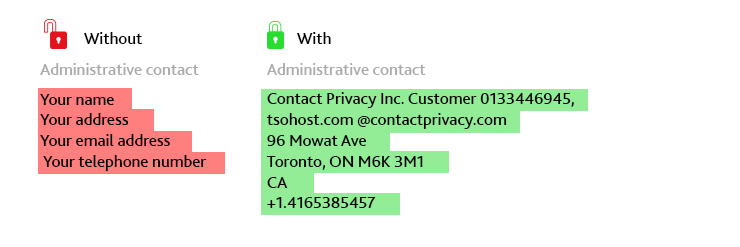
WHOIS Privacy (also called Domain Privacy or Private Registration) is a service that hides your personal contact information from public WHOIS records.
Instead of showing your real name and contact details, the WHOIS record displays:
- The registrar’s proxy company
- A generic email forwarding address
- No real phone number
- No physical address
Your domain still belongs to you legally, but your identity stays protected from scanners, spammers, data harvesters, and attackers.
Why WHOIS Privacy Exists in the First Place
Originally, WHOIS was created for transparency The idea was simple: if someone owned a domain, there should be a way to contact the owner in case of technical issues, abuse, or legal disputes.
But the internet changed.
Today, WHOIS databases are no longer just used by administrators they are actively scraped by:
- Spammers
- Scammers
- Hackers
- Phishing groups
- Identity thieves
- Marketing companies
Every day, millions of bots scrape WHOIS data automatically and feed it into:
- Email spam systems
- Scam call centers
- Targeted phishing databases
- Social engineering attack campaigns
WHOIS Privacy was created because WHOIS became a weapon.
The Hidden Dangers of Public WHOIS Data
Many website owners believe that publishing their WHOIS data is harmless In reality, it creates multiple attack surfaces.
1 Email Harvesting & Targeted Phishing
If your real email appears in WHOIS:
- You will receive domain phishing emails
- Fake renewal invoices
- Registrar impersonation scams
- Malware-laced attachments
These attacks are far more dangerous than generic spam because they contain real domain information.
2 SIM Swap & Phone-Based Attacks
If your phone number is public, attackers may attempt:
- SIM swap attacks
- WhatsApp hijacking
- Two-factor interception
3 Physical Location Exposure
Some domains reveal full physical addresses This becomes extremely dangerous for:
- Business owners
- Activists
- Journalists
- Developers
4 Domain Takeover via Social Engineering
When attackers already know:
- Your full name
- Your registrar
- Your email
It becomes much easier to impersonate you during support conversations.
WHOIS Privacy vs No WHOIS Privacy (Comparison)
| Feature | Without WHOIS Privacy | With WHOIS Privacy |
|---|---|---|
| Public Name | Visible | Hidden |
| Email Address | Visible | Masked |
| Phone Number | Visible | Hidden |
| Spam Protection | Low | High |
| Phishing Risk | High | Very Low |
| Identity Protection | None | Strong |
Who Needs WHOIS Privacy the Most?
- Business owners
- Startup founders
- Cybersecurity professionals
- Content creators
- Affiliate marketers
- Developers
- Journalists
- Crypto projects
If you operate online in any professional capacity, WHOIS Privacy should not be optional.
Is WHOIS Privacy Legal?
Yes WHOIS Privacy is completely legal and supported by ICANN-accredited registrars worldwide.
Some domain extensions (.us, certain government domains) do not allow full privacy, but most popular extensions like:
- .com
- .net
- .org
- .io
- .co
Fully support WHOIS Privacy.
Official ICANN reference:
ICANN Registration Data Policy
Real-World Case: How a Public WHOIS Led to a Business Breach
A digital agency owner registered a domain without privacy His email and phone number were public.
Within weeks:
- He received fake domain renewal emails
- A scammer spoofed his registrar
- He clicked a malicious invoice
- His email was hijacked
- His domain control panel was accessed
The attacker altered DNS records and redirected traffic to phishing pages.
The recovery took 12 days The financial loss exceeded five figures.
This entire chain started because WHOIS Privacy was disabled.
Can Attackers Still Find You With WHOIS Privacy?
WHOIS Privacy dramatically reduces exposure, but complete anonymity on the internet does not exist.
Attackers may still attempt:
- Traffic analysis
- Server fingerprinting
- Open-source intelligence (OSINT)
But WHOIS Privacy removes the easiest attack vector: public identity exposure.
WHOIS Privacy and SEO – Does It Hurt Rankings?
No WHOIS Privacy has zero negative impact on SEO.
Google has confirmed multiple times that WHOIS data is not used as a ranking factor.
What DOES affect SEO is:
- Website credibility
- Security breaches
- Malware infections
- Phishing behavior
In fact, WHOIS Privacy helps prevent SEO disasters from hacks.
How to Enable WHOIS Privacy (General Process)
Most registrars offer WHOIS Privacy as:
- Free service
- Paid add-on
- Included in premium plans
Basic steps:
- Login to your domain registrar
- Open domain management panel
- Find “Privacy” or “WHOIS Protection”
- Enable it
- Confirm changes
Changes propagate within minutes to a few hours.
WHOIS Privacy Alone Is Not Enough
WHOIS Privacy protects your identity, not your website itself.
You still need:
- Firewall
- Malware scanning
- Server hardening
- Penetration testing
- SSL
- Regular backups
This is why many business owners work with cybersecurity teams like
Codeila
for full protection coverage.
What We’ll Cover Next
In the next section, we will dive deep into:
- Advanced WHOIS abuse techniques
- WHOIS data scraping markets
- Registrar attack methods
- Legal risks and privacy regulations
- WHOIS Privacy vs GDPR
- How attackers exploit expired WHOIS windows
- Enterprise-grade privacy layers
Real-World Examples: How WHOIS Data Exposure Caused Serious Problems
WHOIS privacy isn’t a theoretical concept Over the years, thousands of real people have faced serious consequences simply because their personal domain registration data was public.
| Case | Public Data Exposed | Result |
|---|---|---|
| Independent Blogger | Full name + home address | Stalking + threatening letters |
| Small Business Owner | Email + phone number | Daily scam calls and phishing |
| Startup Founder | Office location | Targeted fraud attempts |
| Personal Portfolio Owner | Private Gmail displayed | Mass spam attacks |
Example Scenario
“John, a freelance developer from Canada, registered his personal portfolio domain using his real home address Within weeks, spam letters began arriving Later, someone attempted to impersonate him using his public WHOIS data He never expected that buying a simple domain would expose his entire identity.”
This is not rare It happens every single day to people who underestimate domain data visibility.
How Hackers & Scammers Exploit Public WHOIS Data
Public WHOIS data is not used only for transparency Attackers actively scrape WHOIS databases to build massive target lists.
Common Abuse Scenarios:
- Email harvesting for phishing campaigns
- Social engineering attacks
- Targeted business email compromise (BEC)
- Domain hijacking attempts
- Identity impersonation
- Romance scams using real identity data
“Public WHOIS data is one of the easiest intelligence sources for attackers.”
What Is ICANN and How It Controls WHOIS?
ICANN (Internet Corporation for Assigned Names and Numbers) is the global authority that manages:
- Domain registrars
- Top-Level Domains (TLDs)
- WHOIS policies
- Global DNS infrastructure
Official site:
https://www.icann.org
For many years, ICANN required full public WHOIS disclosure But due to privacy regulations like GDPR, ICANN introduced partial masking and registrar-based privacy services.
GDPR Impact on WHOIS:
- European domain owners now have masked data by default
- Email addresses are partially protected
- Full disclosure requires legal justification
WHOIS Privacy vs No Privacy (Comparison Table)
| Feature | Without WHOIS Privacy | With WHOIS Privacy |
|---|---|---|
| Name Visible | ✅ Yes | ❌ Hidden |
| Email Visible | ✅ Yes | ❌ Hidden |
| Phone Visible | ✅ Yes | ❌ Hidden |
| Home Address | ✅ Yes | ❌ Hidden |
| Spam Risk | High | Very Low |
| Scam Risk | High | Minimal |
Why Business Owners Must Enable WHOIS Privacy
When you run a business website, your domain becomes part of your digital infrastructure Leaving WHOIS exposed is equivalent to publishing your personal data on a public billboard.
Major Business Risks:
- CEO fraud attacks
- Vendor impersonation scams
- Fake invoice fraud
- Targeted ransomware attacks
“WHOIS exposure is one of the easiest ways attackers profile business owners.”
How to Enable WHOIS Privacy (Step-by-Step)
- Log into your domain registrar
- Open your domain management panel
- Locate “WHOIS Privacy” or “Privacy Protection”
- Enable the privacy toggle
- Save changes
Most major registrars like:
- GoDaddy
- Namecheap
- Cloudflare Registrar
- Porkbun
offer WHOIS privacy either free or at a very small cost.
Common Myths About WHOIS Privacy
❌ “Privacy is only for illegal sites”
False Privacy is for protecting legitimate users from abuse.
❌ “Only big companies need privacy”
False Small website owners are the easiest targets.
❌ “GDPR already protects me”
Not fully Some registrars still publish partial data.
WHOIS Privacy and SEO – Does It Affect Ranking?
One of the biggest concerns is SEO The short answer:
“WHOIS privacy has ZERO negative impact on Google rankings.”
Google officially confirms that WHOIS privacy does not affect indexing, trust, or ranking in any way.
WHOIS Privacy and Legal Requests
Even with privacy enabled, legal authorities can still request domain ownership data through your registrar when required by law Privacy does not block court orders or valid investigations.
How WHOIS Privacy Protects You from Domain Hijacking
Domain hijacking often begins with social engineering Attackers use WHOIS data to impersonate the domain owner in:
- Registrar support tickets
- Email reset requests
- Fake identity documents
Masked WHOIS data makes this attack much harder to execute.
Professional Advice from Codeila
“If your domain is Public, your identity is public WHOIS privacy is not optional anymore it is a basic digital safety requirement.”
Our security team at
Codeila
regularly protects businesses from domain-based attacks including hijacking, impersonation, and phishing.
If you’re unsure whether your domain privacy is properly configured, you can always reach us here:
https://codeila.com/contact/
WHOIS privacy is one of the most overlooked yet critical aspects of online security Most people focus on firewalls, SSL, and malware protection while their personal identity remains publicly exposed through their domain registration.
Enabling WHOIS privacy takes less than 60 seconds and provides protection that hackers, scammers, and data harvesters absolutely hate.
In today’s digital world, identity protection is security WHOIS privacy is your first line of defense.
