
Best SSL Certificate Providers
If you run a website today, SSL is no longer optional It is the foundation of trust on the modern internet Whether you own a small blog, an online store, a SaaS platform, or a corporate website, visitors expect your site to be secure from the very first click A missing or poorly configured SSL certificate doesn’t just look unprofessional it actively drives visitors away and damages your rankings on search engines.
In this guide, we’ll start by explaining what an SSL certificate really is, how it protects your website, why it matters for SEO, security, trust, and compliance, and then move into a full, professional comparison of the best SSL certificate providers in the world.
All explanations here are written with real-world usage in mind exactly how we handle SSL implementation and security hardening for business clients at
Codeila.
What Is an SSL Certificate?
SSL stands for Secure Sockets Layer In simple terms, it is the technology that encrypts the connection between a user’s browser and your web server When SSL is active, the data exchanged becomes unreadable to attackers.
Without SSL, data travels in plain text over the internet That means:
- Login credentials can be intercepted
- Credit card details can be stolen
- Personal information can be captured
- Session cookies can be hijacked
With SSL enabled, all of that data is encrypted using advanced cryptographic algorithms Even if someone intercepts the traffic, it becomes mathematically impractical to decode.
How SSL Works (In Simple Terms)
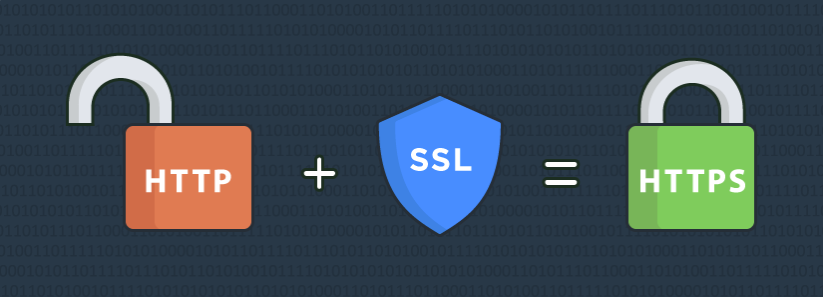
When a visitor accesses a website secured with SSL:
- The browser requests a secure connection.
- The server presents its SSL certificate.
- The browser verifies the certificate using trusted certificate authorities.
- A secure encrypted tunnel is created instantly.
From that moment, all communication between the visitor and the website is encrypted.
Why SSL Is No Longer Optional
There was a time when SSL was only required for banking websites That time is long gone Today, any website without SSL is treated as unsafe by browsers, by search engines, and by users.
1 Browser Security Warnings
Modern browsers like Chrome, Edge, Safari, and Firefox display a clear warning for non-HTTPS websites:
“Not Secure”
This single label can destroy user trust in seconds.
2 SEO Ranking Factor
Google officially confirmed that SSL (HTTPS) is a ranking signal Sites without SSL are at a disadvantage in search results.
3 Protection Against MITM Attacks
SSL prevents:
- Man-in-the-middle attacks
- Session hijacking
- Credential sniffing
- Form data interception
4 Legal & Compliance Requirements
Many regulations and standards require encrypted connections:
- GDPR
- PCI-DSS
- HIPAA
- ISO 27001
Types of SSL Certificates
Before choosing a provider, you need to understand that not all SSL certificates are the same Each type serves a different purpose.
1 Domain Validation (DV)
- Fastest to issue
- Basic encryption
- No business verification
- Best for blogs & personal sites
2 Organization Validation (OV)
- Business identity verified
- Higher trust level
- Ideal for small businesses
3 Extended Validation (EV)
- Strict verification
- Maximum trust
- Best for financial platforms & enterprises
4 Wildcard SSL
Secures all subdomains under one certificate:
- example.com
- shop.example.com
- blog.example.com
5 Multi-Domain SSL (SAN)
Allows a single certificate to secure multiple different domains.
How to Choose the Right SSL Provider
Choosing an SSL provider is not just about price A cheap certificate with poor compatibility or bad support can cost more in downtime and issues.
Things You Must Consider
| Factor | Why It Matters |
|---|---|
| Trust Level | Affects user confidence and browser recognition |
| Encryption Strength | Determines how secure your data really is |
| Browser Compatibility | Ensures all users see a secure site |
| Support Quality | Critical when something breaks |
| Price vs Features | Not all cheap options are good long-term |
Now Let’s Talk About the Best SSL Certificate Providers
Below are the most trusted SSL providers used by professionals, enterprises, hosting companies, and global brands Each one has strengths, weaknesses, and ideal use cases.
1 DigiCert – Industry Leader in High-Trust SSL
DigiCert is widely considered the gold standard of SSL certificates Many of the world’s largest companies rely on DigiCert for their encryption and digital trust infrastructure.
Official Website:
https://www.digicert.com/
Key Features
- Highest level of trust worldwide
- Enterprise-grade encryption
- Excellent browser compatibility
- Advanced certificate management tools
- Powerful automation API
Pros
- Maximum customer trust
- Fast issuance for validated certificates
- Strong customer support
- Used by banks, governments & big enterprises
Cons
- Expensive compared to other providers
- Overkill for small personal projects
Price Range (Approximate)
- DV: from $200 per year
- OV: from $300–600 per year
- EV: from $750+ per year
2 Sectigo (formerly Comodo)
Sectigo is one of the most popular SSL providers in the world It offers a massive variety of SSL products at very competitive prices.
Official Website:
https://sectigo.com/
Key Features
- Very affordable pricing
- Wide range of SSL types
- Excellent compatibility
- Trusted by millions of websites
Pros
- Best price-to-performance ratio
- Ideal for hosting companies
- Fast issuance for DV certificates
Cons
- Support can be inconsistent at times
- Management dashboard feels outdated for some users
Price Range
- DV: from $35–90 per year
- OV: from $90–250 per year
- EV: from $300–700 per year
3 GlobalSign – Enterprise-Grade Certificate Authority
GlobalSign is a well-established certificate authority with a strong focus on enterprise security, automation, and large-scale deployments.
Official Website:
https://www.globalsign.com/
Key Features
- Enterprise SSL solutions
- Advanced certificate lifecycle management
- Strong DevOps automation support
- Excellent API tools
Pros
- Excellent for DevOps & automation
- Strong enterprise security compliance
- Very stable global infrastructure
Cons
- Higher price point
- Not beginner-friendly
Price Range
- DV: from $150+
- OV: from $250+
- EV: from $600+
4 Let’s Encrypt – The Free SSL Revolution
Let’s Encrypt changed the internet by making SSL certificates completely free and accessible to everyone It is backed by major companies such as Google, Mozilla, and Cloudflare.
Official Website:
https://letsencrypt.org/
Key Features
- Free SSL certificates
- Automatic renewal
- Widely trusted by browsers
- Perfect for personal & small business sites
Pros
- 100% free forever
- Perfect for WordPress sites
- Simple integration with hosting control panels
Cons
- No OV or EV certificates
- Certificates expire every 90 days
- No direct technical support
Why Professional SSL Setup Still Matters
Many people believe installing any SSL certificate is “good enough.” In reality, improper configuration can still leave your website vulnerable.
Common SSL misconfigurations include:
- Weak cipher suites
- Old TLS versions enabled
- Missing HSTS headers
- Mixed content issues
- Improper redirect handling
That’s why professional security teams like
Codeila
don’t just install SSL they fully harden the entire encryption layer.
How to Choose the Right SSL Certificate Provider for Your Website
Choosing an SSL certificate provider is not just about price The cheapest option is not always the safest, and the most expensive one is not always necessary The right choice depends on the type of website you run, your audience, and the level of trust you need to establish.
| Website Type | Recommended SSL Type | Trust Level |
|---|---|---|
| Personal Blog | DV SSL | Basic |
| Business Website | OV SSL | Medium |
| E-Commerce Store | OV / EV SSL | High |
| Banking / Financial | EV SSL | Very High |
“An SSL certificate is not just about encryption It is about trust, reputation, and credibility.”
Cybersecurity Industry Expert
4 GoDaddy SSL Certificates
GoDaddy is one of the most recognizable domain and hosting companies in the world Their SSL certificates are widely used by small businesses and online stores.
Official Website:
https://www.godaddy.com/web-security/ssl-certificate
Key Features:
- Domain Validation (DV)
- Organization Validation (OV)
- Extended Validation (EV)
- Warranty up to $1.75 million
- Daily malware scanning (with higher plans)
Pros:
- Strong brand trust
- 24/7 customer support
- Easy management via GoDaddy dashboard
Cons:
- More expensive than competitors
- Auto-renewal can be costly
Price Range:
$69 – $349 per year
5 Sectigo (Formerly Comodo)
Sectigo is one of the largest commercial Certificate Authorities in the world Many global enterprises rely on Sectigo for high-level encryption.
Official Website:
https://sectigo.com/
Key Features:
- All SSL types supported (DV, OV, EV)
- Enterprise-grade encryption
- Vulnerability assessment tools
Pros:
- Strong enterprise reputation
- Excellent browser compatibility
- High trust indicators
Cons:
- User interface can feel outdated
- EV validation can take longer
Price Range:
$80 – $420 per year
6 GeoTrust
GeoTrust is a trusted SSL provider owned by DigiCert It offers affordable enterprise-grade security for medium-sized businesses.
Official Website:
https://www.geotrust.com/
Pros:
- Strong brand under DigiCert
- Excellent browser compatibility
- High reputation score
Cons:
- No free version
- More focused on business clients
Price Range:
$149 – $399 per year
7 RapidSSL
RapidSSL is a budget-friendly SSL provider perfect for small websites that want fast encryption without complexity.
Official Website:
https://www.rapidssl.com/
Pros:
- Fast issuance within minutes
- Low yearly cost
- Simple setup
Cons:
- Only DV certificates
- No business verification
Price Range:
$9 – $59 per year
8 Buypass SSL
Buypass is a European SSL provider offering both free and commercial certificates, frequently used in Norway and EU markets.
Official Website:
https://www.buypass.com/ssl
Pros:
- Free certificates available
- Strong EU compliance
- Excellent for developers
Cons:
- Limited global support
- Less known worldwide
Price Range:
Free – $150 per year
Real-World Scenario: How SSL Failure Cost a Business Thousands
A small e-commerce business was running without SSL for weeks during a hosting migration Within days:
- Google downgraded their rankings
- Customers stopped completing checkout
- Browsers displayed “Not Secure” warnings
- Competitors captured their lost traffic
The business lost over $18,000 in direct sales within one month simply because SSL was missing.
“Encryption is no longer optional It is the foundation of digital trust.”
Security Operations Manager
Why Codeila Recommends Professional SSL Setup
At Codeila, we regularly see websites that technically “have SSL” but are still misconfigured:
- Mixed content warnings
- Weak cipher suites
- Incorrect redirects
- Expired certificates
- Broken intermediate chains
SSL misconfiguration can expose your visitors to data theft even if HTTPS is enabled.
For professional SSL installation, advanced encryption setup, and vulnerability hardening, you can contact us directly:
Final Verdict: Which SSL Provider Is Best?
| Provider | Best For | Starting Price |
|---|---|---|
| Let’s Encrypt | Personal websites | Free |
| DigiCert | Enterprises | $175/year |
| GlobalSign | Corporate security | $249/year |
| GoDaddy | Small businesses | $69/year |
| Sectigo | Enterprise SSL | $80/year |
| GeoTrust | Medium companies | $149/year |
| RapidSSL | Budget users | $9/year |
| Buypass | Developers & EU projects | Free |
An SSL certificate is the first shield between your website and cyber threats It protects your data, reassures your visitors, and strengthens your SEO standing Choosing the right provider depends on your goals but ignoring SSL entirely is no longer an option.
If you want full SSL hardening, advanced encryption policies, and penetration-tested security, trust the professionals at
Codeila.